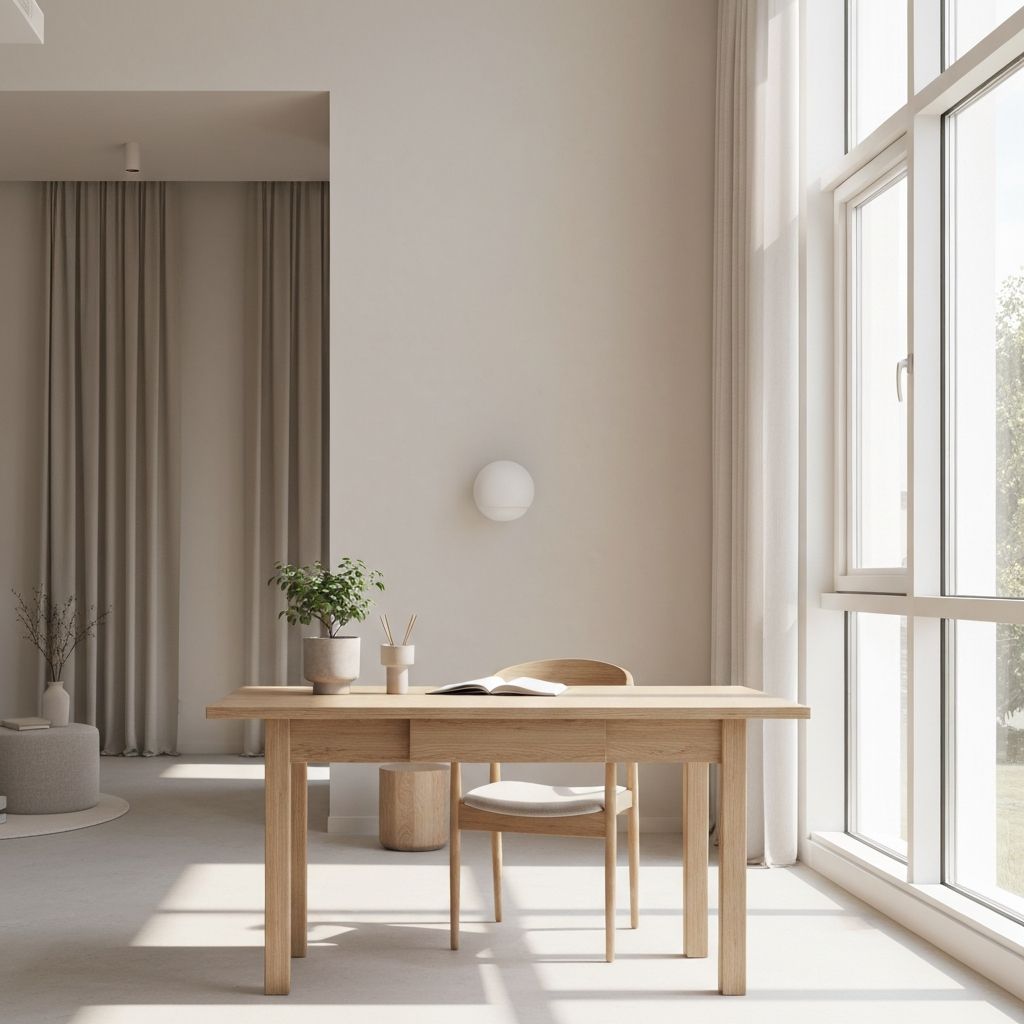
Designing a Calm Approach to Natural Supplements
How everyday environments shape simple choices for men and women
How everyday environments shape simple choices for men and women
Natural supplements are not tools applied to life—they are elements woven into a deliberate environment. Just as we design spaces, select objects, and shape habits, we structure the context in which wellness choices happen. This perspective moves beyond promises and effects. Instead, it asks: how does everything around us—the home, the workplace, the transitional moments, the objects on our shelf—work together to support simple, consistent decisions?
When we think of supplements as part of a designed landscape rather than isolated interventions, we invite a different kind of clarity. What surrounds us influences what we choose. What we choose reflects what we value. This is not about perfection or transformation. It is about building a coherent everyday architecture where small, intentional acts feel natural.
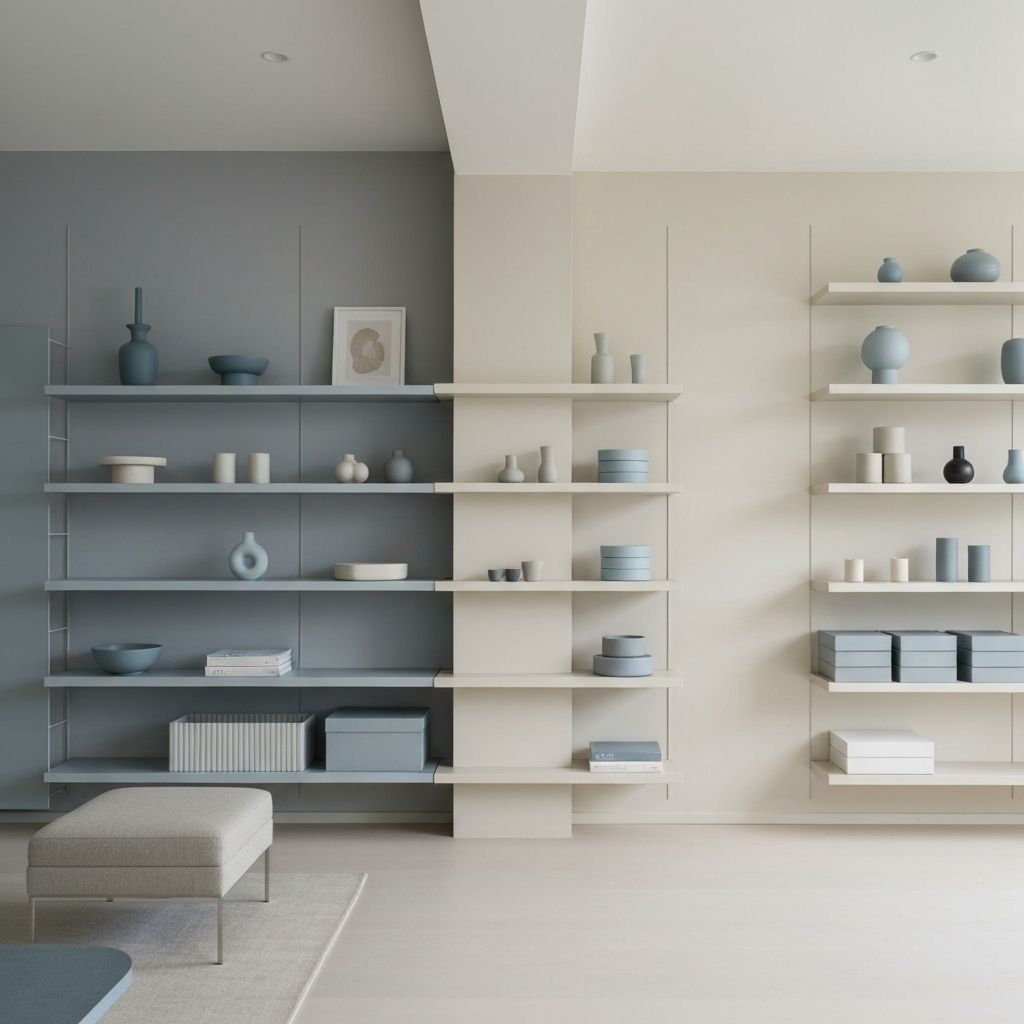
The primary environment where daily rituals unfold. Here, choices are most deliberate. Objects have their places. Time moves differently. This is where foundational habits take root.

A secondary environment with its own rhythm and constraints. Choices here must adapt to structure, interruption, and shared spaces. Intentionality meets practical reality.

The moments between places—morning coffee, evening pause, brief respite. These are the intervals where attention returns. Transitions are where intention is most visible.
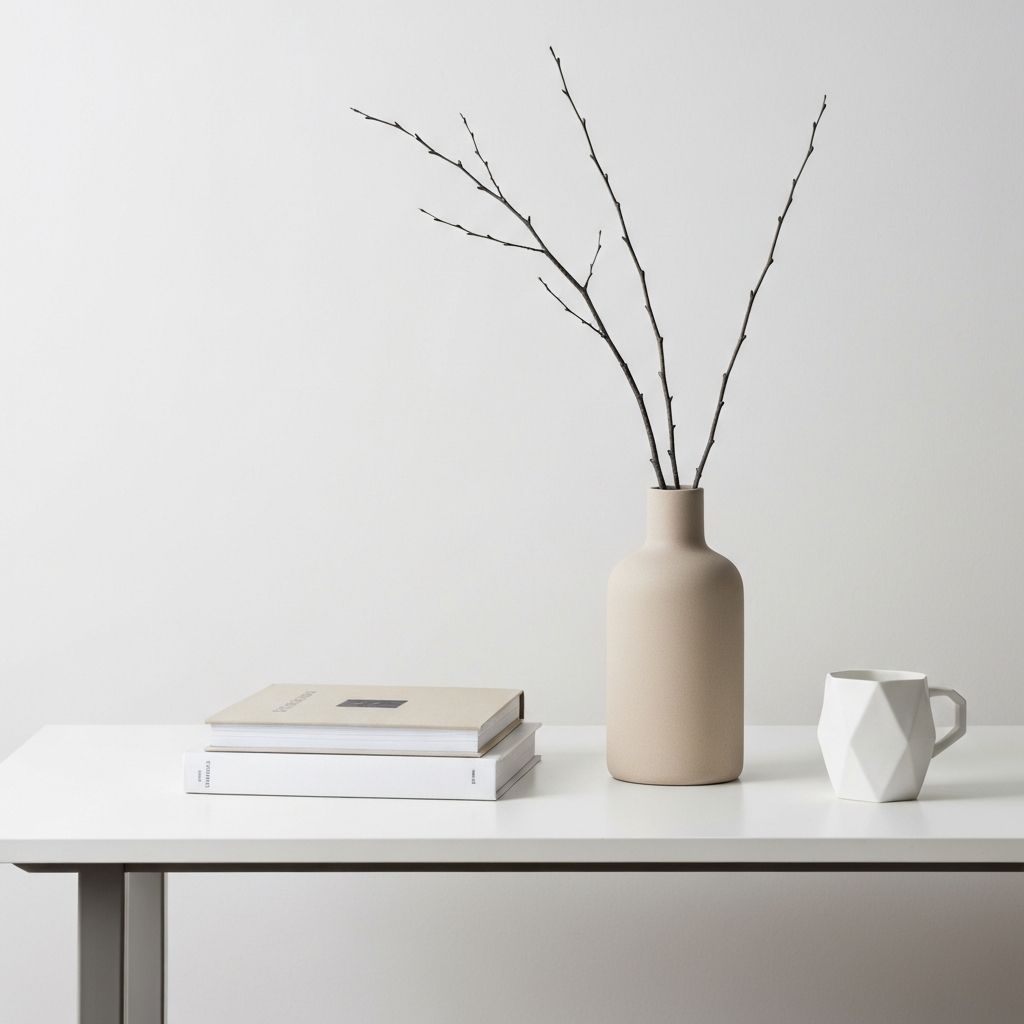
Carefully selected objects become reminders. They occupy visual space. They create rhythm. When intentional, they speak to what we value without needing to announce it.

Surfaces hold more than items—they hold meaning. Where supplements sit matters as much as why. Organization reflects commitment. Visual simplicity supports clarity of choice.
Supplements occupy a specific place in a designed environment. They are not the environment itself. They do not promise transformation. Rather, they exist as one element among many that support consistent, modest choices. They belong to a larger picture: sleep patterns, movement, diet, spaces where rest happens.
The decision to include supplements follows environmental logic, not pharmaceutical logic. If the space supports calm mornings, if work allows moments of pause, if transitions between environments are honored—then supplements fit as a natural extension of that architecture, not as a compensation for missing one.
What we see shapes what we remember. When objects are arranged with intention, they operate without demand. They suggest without insisting. Visual clarity reduces the cognitive load of choice.
Objects placed where they are used require less willpower. A supplement near where morning water sits. A reminder near the mirror. Design eliminates friction from routine.
Habits grow from repetition within consistent environments. When spaces support repeated actions, they become effortless. Effort disappears into normalcy. Normalcy becomes value.
Spaces also acknowledge rhythm. Morning differs from evening. Weekday differs from rest day. Design that respects these shifts—through light, arrangement, presence—honors how humans actually live.
Choice is not an isolated moment. It emerges from everything around it. A well-designed environment does not demand motivation—it invites continuity. This is distinct from willpower or discipline. It is architecture in the broadest sense: the intentional arrangement of life so that small, good choices become the path of least resistance.
For men and women seeking consistency, this means asking: What does my environment say about what I value? Are my spaces arranged to support what I choose? Do my objects reflect my commitments? Supplements, in this context, are not solutions. They are one element within a coherent design that you have already begun to build.
Quantity does not equal effectiveness. A thoughtfully selected set of supplements, integrated into daily life, often serves better than extensive protocols pursued without consistency. Design favors clarity over complexity.
Food remains foundational. Supplements are supplementary—they exist alongside, not instead of, real nutrition. This distinction is not semantic. It shapes how environments should be structured and how choices should be prioritized.
Every person's designed environment will differ. What works within one schedule, one space, one body, one set of values may not translate directly. This perspective invites you to design your own architecture—not to follow a template.
BATHER
Jl. Tebet Barat Dalam No. 17
Jakarta 12810
Indonesia
Phone:
+62 21 684 53 79
Email:
[email protected]